
Engine Simulator Best Engines Hub
A layout-focused tier list for Engine Simulator: what to load when you care about sound, learning, or spectacle.
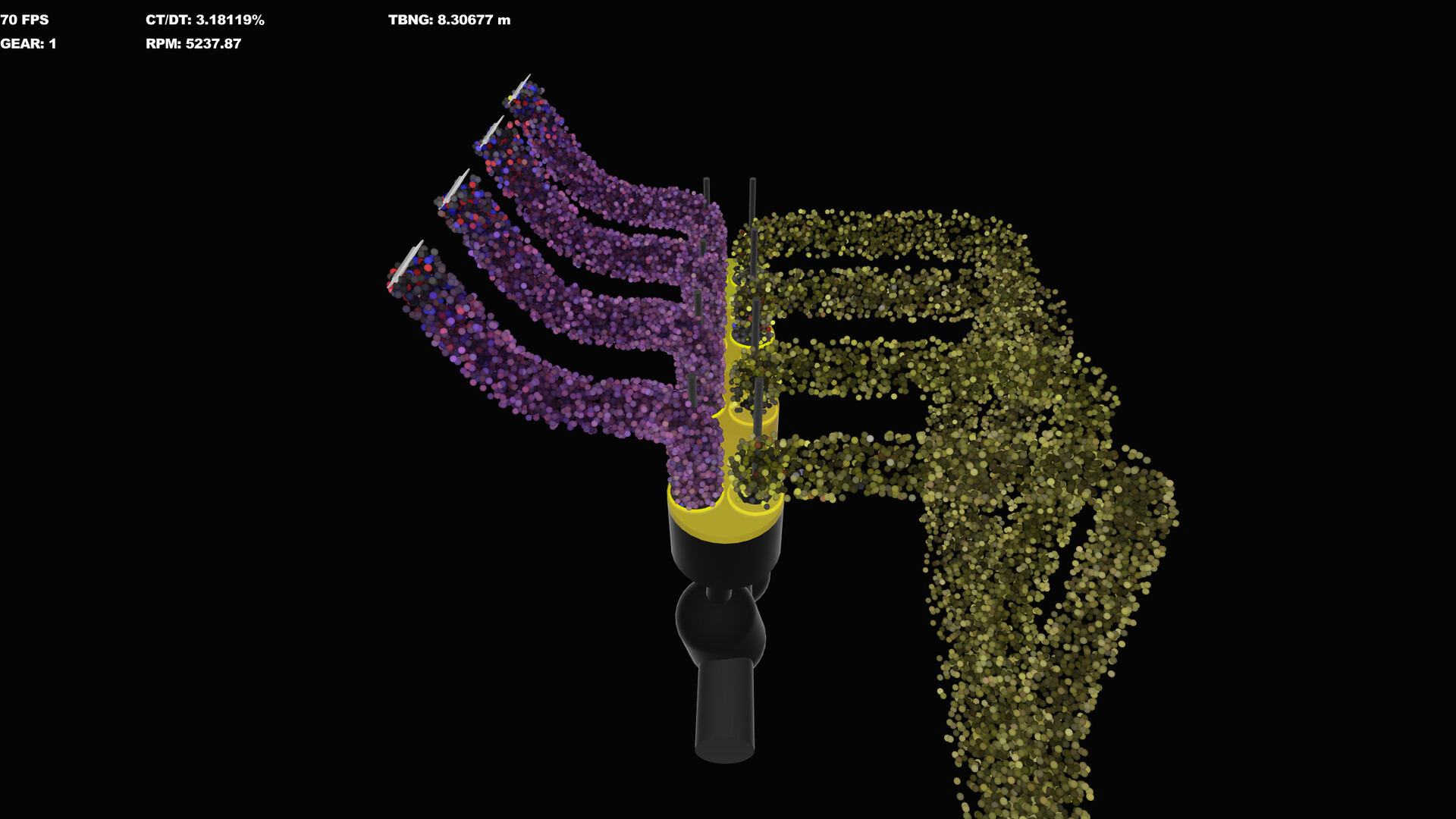
Engine Simulator does not have competitive esports balance—your “meta” is whatever .mr file you load. This hub ranks famous architectures by how rewarding they are inside a physics-synthesized audio sim: character, teaching value, CPU cost, and how clearly the layout’s personality survives the synthesizer. Use it to pick catalog downloads and to decide what to build next in Create Engines.
Criteria (not peak horsepower alone):
- Sonic identity — can a blind listener name the layout family?
- Dyno clarity — does the torque curve teach something (Dyno Testing)?
- Authoring difficulty — firing order / TDC complexity
- Performance cost — RT/DT pressure on typical PCs (Performance Tuning)
- Community availability — easy to find on catalog.engine-sim.parts
Tiers are opinionated conversation starters for CE players waiting on Steam app 2381500.
S tier — instant personality
Cross-plane V8
The crowd-pleaser. Uneven crank pin drama becomes a soundtrack the synthesizer loves. Great for demos, content, and learning why firing order is not optional. CPU cost is moderate-to-high depending on accessory systems. Start here if a friend asks “why is this cooler than a racing game loop?”
Rotary (Wankel-style scripts)
Polarizing in real life, unforgettable in Engine Simulator when modeled with care. The delivery and scream teach that “engine” is not only pistons. Authoring is advanced—fork known rotaries instead of inventing geometry from scratch. Excellent YouTube bait; respect CPU and oil-adjacent fantasy settings in scripts.
Inline-six
Smoothness you can hear. I6 scripts reward careful crank spacing and make uneven firing mistakes obvious. Superb teaching engine for TDC discussions and “why luxury cars hummed.” Dyno curves often look civilized, which is the point.
A tier — deep toolkit layouts
Flat-plane V8
Sharper, more race-bred bark than cross-plane cousins. Perfect A/B lesson: change crank phasing and fire order, reload with Enter, listen. Slightly less mass-market recognizable than cross-plane but gold for creators.
V12
Spectacle and silk. When stable, nothing else flexes “simulation flex” harder. Brutal on weak CPUs—budget frequency headroom and honest notes in your README. F1-inspired twelves are community favorites for a reason; just measure RT/DT before calling a tune final.
Inline-four
The apprenticeship layout. Lowest drama, highest iterate-per-hour rate. Best onboarding for Load Community Engines and first custom cams. Sonic identity is subtler, so it sits under the screamers—but every serious author lives here.
B tier — specialists
Flat / boxer fours and sixes
Distinctive throb and opposed-bank lessons. Slightly narrower catalog familiarity for some players, but wonderful when you want Subaru-flavored education without pretending every flat is identical.
V10
Exotic spacing and soundtrack; great when you find a polished catalog example. Less “default vocabulary” than V8/I6 for brand-new players, so it ranks as a specialist pick.
High-strung I3 / odd-fire curios
Fantastic for content about imbalance and character, easy to dismiss as toys if poorly tuned. Keep them for spice, not as someone’s first Load Script.
C tier — love carefully
Giant radials
Visually and sonically wild; CPU and scripting complexity spike. Amazing showcase if your machine and patience cooperate. Frustrating first week engine if you still fight DLL installs (Getting Started).
Over-complex multi-engine showpieces
If a pack needs three vehicle definitions, custom themes, and a prayer, demote it until docs improve. The layout might be S-tier; the packaging may not be.
Suggested listening tour
- Stock or demo I4 — learn controls (Controls).
- Community I6 — hear smoothness.
- Cross-plane V8 — hear swagger.
- Flat-plane V8 — A/B the crank story.
- Rotary or V12 — stress-test both ears and RT/DT.
- Radial — graduation flex.
Capture clips with habits from Audio Export so crackle does not fake a “bad layout.”
How to argue productively
When you disagree with a tier:
- Name the script and CE version.
- State frequency / RT/DT context.
- Separate layout potential from one author’s messy file.
- Use dyno holds at shared RPM points.
Visit Links for Discord debate venues, and remember this wiki is not affiliated with Ektorom Software Inc.—just organized player knowledge.
Steam editor future
As the TBA Steam build’s editor lands, expect faster layout experiments and clearer CPU profiling. Rankings of sound character should survive; rankings of which file is least annoying to install should improve. Follow Steam Status and Community Edition for the tooling split.
Pages in this hub
- Catalog Picks — subjective CE catalog listening tour by layout family, with RT/DT warnings, Load Script readiness tips, and beginner-safe download advice (search catalog.engine-sim.parts; no invented part IDs).
Use the tiers above to decide what kind of engine you want; use Catalog Picks when you are ready to download a real .mr pack without melting your CPU on day one.
Related hubs
- Guides Hub — install through scripting
- Tools Hub — hardware and audio capture
- Updates Hub — release trackers
Load widely, listen critically, and let synthesized exhaust—not brochure HP—pick your favorites.
Frequently Asked Questions
Quick answers about setup, controls, dyno testing, and builds.
Is this a power ranking of maximum horsepower?
No. It ranks layouts by sonic character, teaching value, CPU cost, and community usefulness inside Engine Simulator.
Which engine should a beginner load first?
Start with a simple inline-four or a known demo pack engine, then move to an I6 or cross-plane V8 once controls and RT/DT are comfortable. See Catalog Picks for download hygiene.
Why are radials ranked below V8s if they sound crazy?
Spectacle is high, but setup difficulty and CPU cost make them poor first picks. They shine as showcase engines on capable machines.
Can I submit a different tier order?
Bring script names, CE version, and RT/DT context to the community Discord. Good arguments change minds; vague HP claims do not.
Will Steam change which layouts are “best”?
Better editors may change which layouts are easy to author, but cross-plane V8s, I6 smoothness, and rotaries should remain sonically special.